
 By Olivia Wilson Media Team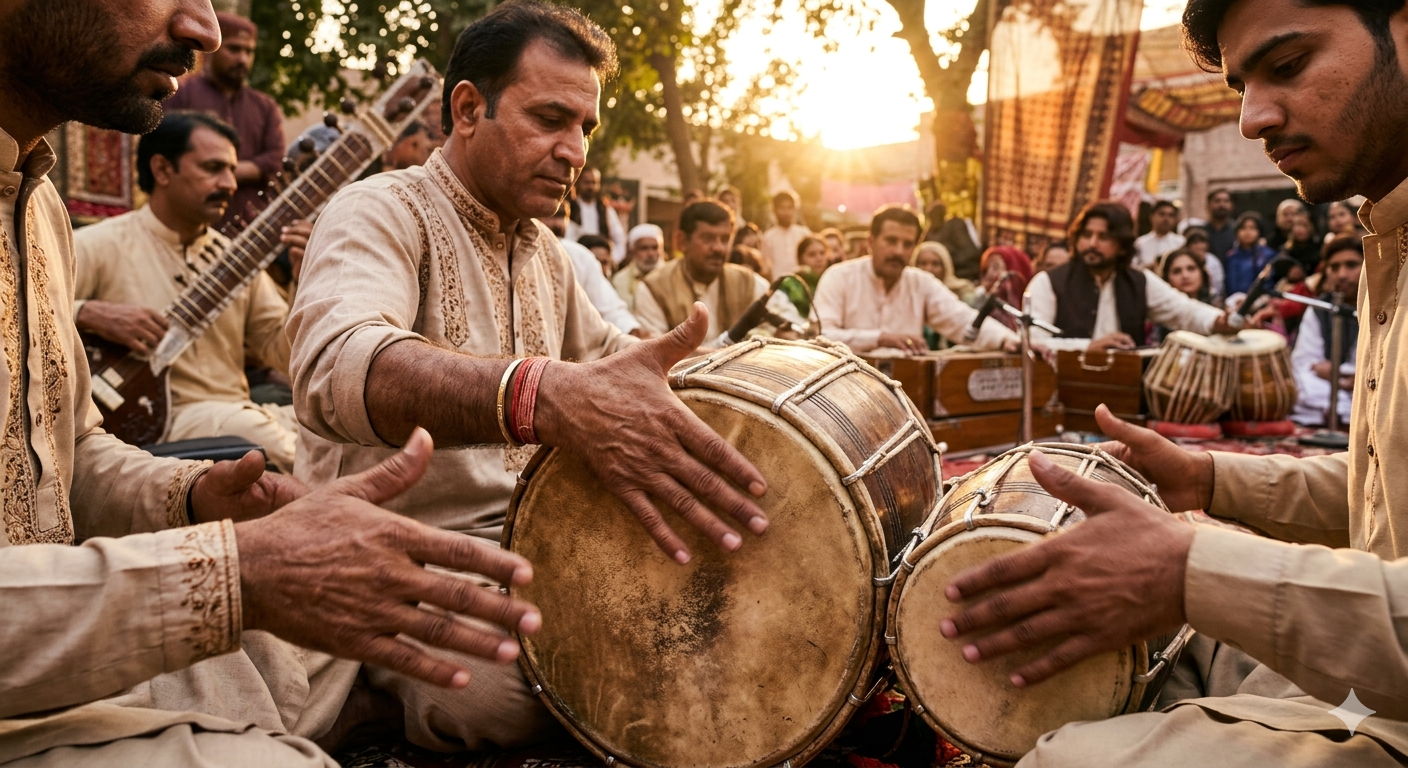
Pulsamento represents a fundamental concept bridging music, physiology, and cultural expression across diverse traditions worldwide. The term derives from rhythmic pulsation describing the heartbeat-like quality present in musical performances and natural bodily functions. This concept encompasses far more than simple timing, incorporating emotional expression, physical wellness, and cultural identity into unified practice. Musicians across Latin America, Europe, and beyond recognize pulsamento as essential to authentic performance conveying genuine feeling. The physiological dimension connects musical rhythm to cardiovascular patterns, breathing cycles, and neurological responses affecting overall wellbeing. Ancient cultures understood these connections intuitively, incorporating rhythmic practices into healing ceremonies and communal gatherings. Modern research increasingly validates traditional knowledge about rhythm’s impact on physical and mental health outcomes. Understanding pulsamento requires appreciating both its artistic applications and biological foundations that make rhythm universally resonant. This dual nature makes the concept accessible to musicians, healthcare practitioners, and anyone interested in optimizing human performance. The integration of artistic and scientific perspectives reveals pulsamento as a powerful tool for personal development and cultural expression.
Within musical contexts, pulsamento describes the subtle rhythmic pulse giving performances their living, breathing quality that captivates audiences. This goes beyond mechanical timekeeping to encompass the slight variations and emphases creating emotional depth in music. Classical guitarists use the term specifically for a right-hand technique producing sustained, singing tones through controlled finger movement. The technique involves precise timing coordination between fingers creating overlapping notes that blend seamlessly into melodic lines. Flamenco traditions embrace pulsamento as the heartbeat underlying complex rhythmic patterns called compás that define different song forms. Jazz musicians understand similar concepts through swing feel and groove, where strict metric adherence gives way to expressive timing. The microrhythmic variations within pulsamento create tension and release patterns that listeners perceive as musical expression rather than technical execution. Mastering this aspect separates competent players from compelling performers who communicate genuine emotion through their instruments. Different musical traditions emphasize distinct aspects of rhythmic pulse while sharing fundamental principles about timing’s expressive potential. Developing sensitivity to these subtle rhythmic qualities requires dedicated practice and careful listening to exemplary performances across various styles.
The relationship between pulsamento and bodily functions reveals profound connections between external rhythm and internal biological processes. Human hearts naturally pulse at rates varying with activity levels, emotional states, and overall health conditions affecting circulation. Respiratory patterns follow rhythmic cycles that coordinate unconsciously with physical demands and conscious breathing exercises alike. Neurological activity generates rhythmic brainwave patterns corresponding to different consciousness states from deep sleep to focused alertness. These biological rhythms respond to external rhythmic stimuli including music, creating entrainment where internal processes synchronize with environmental patterns. Research demonstrates that consistent rhythmic input can regulate heart rate variability, improving cardiovascular function and stress resilience. The phenomenon explains why rhythmic music naturally induces movement responses and emotional reactions across cultures without explicit training. Ancient healing traditions incorporated drumming and chanting specifically to influence physiological states through rhythmic entrainment mechanisms. Modern therapeutic applications use rhythmic interventions for conditions ranging from Parkinson’s disease to post-traumatic stress disorder. Understanding these connections allows intentional application of rhythmic principles for health optimization beyond artistic contexts. The universality of rhythmic response suggests deep evolutionary roots making humans naturally receptive to pulsamento effects.
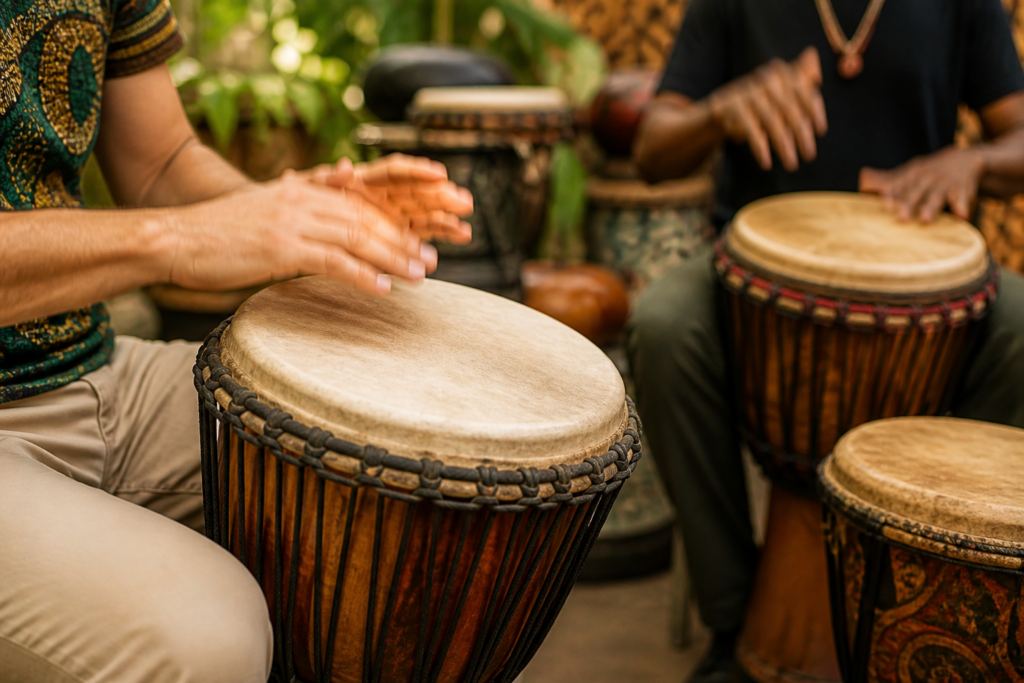
Cultivating refined sensitivity to pulsamento begins with fundamental exercises building awareness of subtle timing variations and rhythmic flow. Start by establishing a comfortable pulse using a metronome or simple percussion while focusing attention on the spaces between beats. Practice breathing in coordination with chosen tempos, inhaling for specific beat counts and exhaling for equal or different durations. Gradually introduce slight tempo variations while maintaining overall pulse consistency, developing flexibility within structured rhythm frameworks. Clapping exercises using different dynamic levels teach independence between timing consistency and volume variation essential for expressive performance. Walking meditation practices synchronizing steps with breathing and internal counting develop full-body rhythmic awareness beyond isolated muscle groups. Recording practice sessions enables objective assessment of timing consistency and identification of patterns needing refinement. Studying performances by master musicians from relevant traditions reveals how subtle timing choices create particular emotional effects. Working with percussion instruments provides direct tactile feedback about timing precision and rhythmic flow in ways melodic instruments cannot. Partner exercises where two people maintain independent but coordinated rhythms develop listening skills and ensemble awareness. Progressive complexity in rhythmic patterns challenges developing abilities while building confidence through achievable incremental advancement.
Different cultures have developed unique relationships with rhythmic pulse reflected in their musical traditions and daily practices. Afro-Cuban music traditions feature complex polyrhythmic structures where multiple pulse layers interact creating rich rhythmic textures. Brazilian samba employs distinctive syncopated patterns where the underlying pulse remains constant despite surface rhythmic complexity. Indian classical music incorporates sophisticated rhythmic cycles called talas providing frameworks for improvisation and compositional development. West African drumming traditions use interlocking patterns where individual parts combine forming composite rhythms greater than constituent elements. Middle Eastern music features rhythmic modes called iqa’at that define characteristic patterns for different musical forms and dance styles. European classical music developed through centuries of evolution from medieval rhythmic modes to contemporary metric innovations. Indigenous traditions worldwide incorporate rhythmic elements into ceremonies connecting community members with spiritual dimensions and natural cycles. Understanding these diverse approaches reveals universal human impulses toward rhythmic organization alongside culturally specific expressions. Each tradition offers unique insights into pulsamento’s potential applications and artistic possibilities worth exploring. Cross-cultural study enriches personal practice by exposing alternative approaches to fundamental rhythmic concepts.
Therapeutic applications of rhythmic principles demonstrate pulsamento’s relevance beyond artistic performance into health and wellness domains. Cardiovascular exercise programs incorporate interval training using rhythmic work-rest cycles optimizing fitness adaptations and recovery periods. Breathing exercises from yoga and meditation traditions use counted rhythms regulating nervous system activity and promoting relaxation responses. Music therapy protocols employ rhythmic entrainment helping patients with movement disorders regain functional motion patterns and coordination. Sleep optimization techniques include rhythmic routines and breathing patterns promoting natural circadian rhythm alignment for improved rest quality. Stress management practices incorporate rhythmic elements like progressive muscle relaxation coordinated with breathing for systematic tension release. Athletic training uses rhythmic drills developing timing, coordination, and economy of movement improving performance across sports disciplines. Rehabilitation programs apply rhythmic auditory stimulation helping stroke patients and trauma survivors recover motor functions through neuroplasticity mechanisms. Pain management approaches sometimes include rhythmic breathing and attention focus techniques reducing subjective discomfort without pharmaceutical intervention. Mindfulness practices emphasize present-moment awareness often anchored by attention to breathing rhythm or heartbeat sensations. These diverse applications demonstrate pulsamento’s versatility as a practical tool for optimizing human function across multiple dimensions.
Contemporary neuroscience and physiology research increasingly validates traditional knowledge about rhythmic practices and their effects on human systems. Brain imaging studies reveal that rhythmic stimulation activates multiple neural networks simultaneously, explaining music’s powerful cognitive and emotional impacts. Heart rate variability research demonstrates that coherent breathing patterns improve autonomic nervous system balance associated with better health outcomes. Synchronization studies show that group rhythmic activities increase social bonding and cooperative behavior through shared neural activation patterns. Motor control research confirms that rhythmic auditory cues enhance movement precision and timing in both healthy individuals and clinical populations. Stress physiology investigations document how rhythmic practices reduce cortisol levels and activate parasympathetic nervous system responses promoting recovery. Sleep studies indicate that consistent daily rhythms and pre-sleep routines improve both sleep quality and duration through circadian mechanism optimization. Cognitive research finds that rhythmic training enhances attention, working memory, and executive function through neuroplasticity-driven brain changes. Pain perception studies reveal that rhythmic stimulation can modulate pain processing pathways reducing subjective intensity without addressing underlying causes. Athletic performance research confirms that rhythmic training improves movement efficiency, power output, and injury resistance across various sports. This growing evidence base supports integrating rhythmic practices into comprehensive approaches toward human performance and wellness optimization.
Digital technology has transformed how musicians and producers approach rhythmic elements while maintaining core pulsamento principles in new contexts. Digital audio workstations provide unprecedented control over timing precision through quantization features that can perfect or intentionally humanize rhythmic performances. Groove templates extracted from legendary performances allow producers to apply specific timing feels to programmed parts recreating analog authenticity. MIDI programming capabilities enable complex polyrhythmic compositions impossible for single performers but maintaining organic pulse through velocity and timing variations. Loop-based production relies fundamentally on establishing compelling rhythmic foundations that sustain listener interest through repetition and development. Electronic music genres from techno to hip-hop build entire aesthetic identities around specific approaches to pulse, groove, and rhythmic texture. Sampling technology allows incorporating rhythmic elements from diverse sources, creating hybrid styles blending cultural traditions in innovative combinations. Synthesis techniques can generate rhythmic timbral variations where pulse emerges from sonic texture rather than discrete note events. Live performance technologies enable real-time manipulation of rhythmic elements, expanding improvisational possibilities during concerts and DJ sets. Music education software uses interactive rhythmic exercises with immediate feedback accelerating skill development through gamification and visualization. These technological developments expand rhythmic possibilities while requiring musicians to maintain awareness of fundamental pulsamento principles ensuring expressive coherence.
Integrating pulsamento awareness into everyday routines creates opportunities for continuous development beyond formal practice sessions or performances. Morning rituals incorporating rhythmic breathing establish positive physiological patterns influencing energy and focus throughout subsequent hours. Walking or commuting time becomes practice opportunity by coordinating steps with breathing or mentally rehearsing rhythmic patterns. Household tasks transform into rhythm exercises by maintaining steady tempo during repetitive activities while varying dynamics and accents. Exercise routines gain efficiency through conscious attention to movement rhythm optimizing form and reducing injury risk during training. Meal preparation offers unexpected practice coordinating multiple timing threads like cooking durations, preparation sequences, and serving coordination. Evening wind-down routines using rhythmic breathing or gentle movement facilitate transition from active day toward restful sleep. Listening practices focusing specifically on rhythmic elements in familiar music reveals details previously overlooked, deepening appreciation and understanding. Short meditation sessions using heartbeat or breathing as focus objects develop interoceptive awareness connecting external and internal rhythms. Journaling about rhythmic experiences and observations builds conceptual understanding complementing physical skill development through reflection. Social interactions gain new dimension through awareness of conversational rhythms, turn-taking patterns, and group energy dynamics. These everyday applications make rhythmic development continuous rather than confined to isolated practice periods.
Sophisticated understanding of pulsamento reveals connections spanning music, mathematics, physics, biology, and philosophy in unexpected ways. Mathematical relationships between rhythmic ratios create harmonic and dissonant effects paralleling pitch relationships in melodic and harmonic dimensions. Physical wave mechanics describe how rhythmic vibrations propagate through media, explaining acoustic phenomena and biological entrainment mechanisms. Biological systems exhibit rhythmic organization at every scale from molecular oscillations to ecological population cycles following similar mathematical principles. Philosophical concepts about time perception, consciousness, and the nature of experience find concrete expression through rhythmic practice and awareness. Chaos theory and complexity science reveal how simple rhythmic rules generate unpredictable emergent behaviors mirroring patterns in natural systems. Information theory provides frameworks understanding how rhythmic organization conveys meaning and emotional content in musical communication. Linguistic analysis shows rhythmic prosody patterns across languages affecting meaning, emotion, and cognitive processing during communication. Visual arts incorporate rhythmic principles through repetition, pattern, and dynamic variation creating movement and energy in static compositions. Architecture and design apply rhythmic concepts through spatial patterns, proportional systems, and experiential sequencing affecting how people inhabit spaces. These interdisciplinary connections reveal pulsamento as a fundamental organizing principle extending far beyond initial musical or physiological contexts into a comprehensive worldview.
Pulsamento refers to the rhythmic pulse and subtle timing variations that give music its living quality and emotional expression. In guitar technique specifically, it describes a right-hand method producing sustained, singing tones through controlled finger movements creating overlapping notes.
Regular rhythmic practices influence cardiovascular function through heart rate variability, regulate nervous system balance reducing stress, and improve movement coordination through neurological entrainment. Consistent rhythmic breathing and movement patterns optimize multiple physiological systems simultaneously for enhanced overall wellness.
Absolutely, basic rhythmic awareness develops through simple practices like coordinated breathing, walking meditation, and attentive listening to music focusing on pulse and timing. These accessible entry points require no specialized skills while building foundational sensitivity applicable to both musical and wellness applications.
Different cultures developed unique rhythmic systems reflecting their values, social structures, and spiritual beliefs through music, dance, and ceremony. These traditions preserve wisdom about rhythm’s power to connect communities, express identity, and facilitate states of consciousness beyond ordinary awareness.
Initial sensitivity emerges within weeks of consistent practice, while deeper refinement continues throughout lifelong engagement with rhythmic arts. Progress depends on practice consistency, quality of instruction, and individual aptitude, though everyone can achieve meaningful improvement through dedicated effort.
Pulsamento represents far more than a musical technique or physiological phenomenon, serving as a fundamental principle connecting artistic expression, human biology, and cultural wisdom across traditions worldwide. The concept’s multidimensional nature makes it simultaneously accessible to beginners and endlessly fascinating for advanced practitioners across multiple disciplines. Understanding rhythmic pulse as both external pattern and internal experience opens pathways for personal development spanning creative, physical, and contemplative dimensions. Musical applications demonstrate how subtle timing variations transform mechanical execution into emotionally resonant communication that moves listeners profoundly. Physiological connections reveal why rhythmic practices effectively regulate biological systems improving health outcomes validated by contemporary scientific research. Cultural traditions preserve diverse approaches to rhythm offering rich resources for exploration and cross-pollination generating innovative contemporary expressions. Practical techniques for developing pulsamento sensitivity require no specialized equipment or facilities, making these powerful practices accessible regardless of circumstance. The integration of rhythmic awareness into daily life transforms routine activities into opportunities for continuous growth and presence. Scientific validation of traditional rhythmic practices bridges ancient wisdom and modern understanding, creating comprehensive frameworks for human optimization. Whether approaching pulsamento through music, wellness, cultural study, or personal exploration, the journey reveals profound connections between rhythm and the fundamental patterns organizing existence itself, offering endless discoveries for those willing to listen deeply and practice consistently.