
 By Olivia Wilson Media Team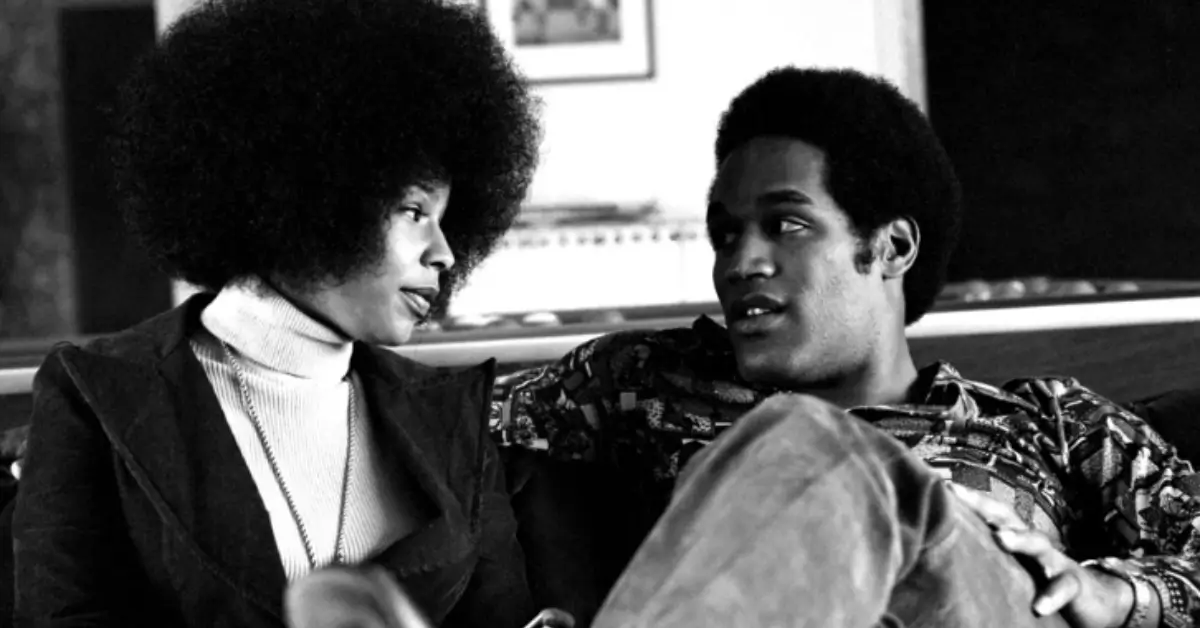
Marguerite Whitley is best known as the first wife of former NFL star OJ Simpson, but her story extends far beyond this single association. Born on March 20, 1949, in Los Angeles, California, Marguerite lived a relatively private life before meeting the man who would become one of America’s most controversial figures. She met Orenthal James Simpson while they were both teenagers attending Galileo High School in San Francisco during the mid-1960s. Their relationship began during a time when Simpson was still pursuing his athletic dreams, long before the fame and fortune that would eventually come his way.
The young couple connected over shared experiences growing up in California and developed a bond that would lead to marriage. At the time they met, Simpson was working to establish himself as a football player, and Marguerite stood by his side through the early struggles. Their relationship represented a typical high school romance that evolved into something more serious as Simpson’s prospects began to improve. This period of their lives remained relatively uncomplicated, marked by young love and shared ambitions for the future.
Marguerite Whitley married OJ Simpson on June 24, 1967, when she was just eighteen years old and he was nineteen. The wedding took place before Simpson achieved national fame, during his time at the City College of San Francisco. This meant that Marguerite experienced both the humble beginnings and the meteoric rise of her husband’s career. The early years of their marriage were spent navigating the challenges of young parenthood and supporting Simpson’s athletic ambitions as he transferred to the University of Southern California.
Their marriage lasted twelve years, ending officially in 1979. During this time, Marguerite witnessed her husband transform from a college athlete into a Heisman Trophy winner, NFL superstar, and eventually a media personality. The couple’s relationship survived the initial pressures of fame when Simpson won the Heisman Trophy in 1968 and was drafted by the Buffalo Bills in 1969. However, the increasing demands of professional football, combined with the temptations that came with celebrity status, eventually took their toll on the marriage. The distance between them grew as Simpson’s fame expanded, creating challenges that the young couple struggled to overcome.
During her marriage to OJ Simpson, Marguerite Whitley took on the traditional role of homemaker and mother, raising their three children while her husband pursued his professional career. She gave birth to their first daughter, Arnelle Simpson, in 1968, followed by their son Jason Simpson in 1970. Tragically, their third child, Aaren Lashone Simpson, was born in 1977 but died in a drowning accident in 1979 at just under two years old. This devastating loss occurred during the same year their divorce was finalized, adding immeasurable pain to an already difficult period.
Life as the wife of a professional athlete meant frequent relocations, time spent apart, and managing household responsibilities largely on her own. Marguerite supported Simpson through his years with the Buffalo Bills and later the San Francisco 49ers, attending games and public events while maintaining their home life. She experienced the privileges that came with being married to a celebrity, including financial security and social status, but also faced the pressures of public scrutiny and her husband’s demanding schedule. The role required significant personal sacrifice, as she prioritized her husband’s career and their children’s needs above her own ambitions and desires.
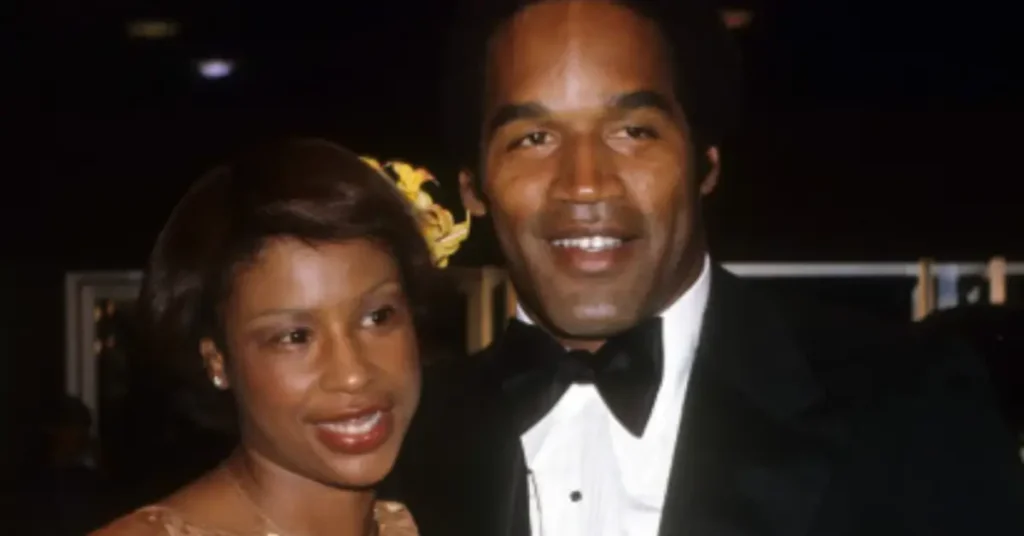
The marriage between Marguerite Whitley and OJ Simpson officially ended in March 1979, though the relationship had been deteriorating for some time before the legal proceedings began. The divorce came amid rumors of Simpson’s infidelities and his relationship with Nicole Brown, who would become his second wife. Court documents and later reports suggested that Simpson’s extramarital affairs played a significant role in the breakdown of their marriage. For Marguerite, the divorce represented not just the end of a marriage but the conclusion of a relationship that had defined her entire adult life up to that point.
The divorce settlement provided Marguerite with financial support, though specific details were kept relatively private compared to Simpson’s later legal matters. She received custody arrangements for their two surviving children, though both Arnelle and Jason maintained relationships with their father. The emotional toll of the divorce was compounded by the tragic death of their daughter Aaren, which occurred just before the divorce was finalized. This period marked one of the darkest chapters in Marguerite’s life, as she simultaneously grieved the loss of her child and the dissolution of her marriage. Despite these challenges, she worked to rebuild her life away from the spotlight that had increasingly focused on her former husband.
Following her divorce from OJ Simpson, Marguerite Whitley deliberately chose a path of privacy and distance from public attention. She remarried in 1986 to a furniture sales representative named Rudolph Lewis, though this marriage also eventually ended. Unlike her years with Simpson, Marguerite’s subsequent life remained largely out of the media spotlight. She focused on raising her children and establishing a life independent of her famous former husband’s shadow. This decision to maintain privacy has allowed her to live with a degree of normalcy that would have been impossible had she remained connected to Simpson’s public life.
Marguerite worked various jobs to support herself and maintain her independence, reportedly in sales and other service positions. She avoided interviews and public appearances, even during the highly publicized events surrounding Simpson’s 1995 murder trial for the deaths of Nicole Brown Simpson and Ron Goldman. While her children, particularly Arnelle, appeared publicly in support of their father during the trial, Marguerite stayed completely out of the media circus. This consistent choice to remain private demonstrates her desire to separate her identity from her former husband’s increasingly controversial public persona and to protect herself from the media attention that has followed Simpson throughout the decades.
During the 1995 trial that captivated the nation, Marguerite Whitley maintained her characteristic silence and stayed away from the courtroom drama. Unlike other family members who gave interviews or appeared on camera, she offered no public statements about the charges against her former husband or the tragic deaths of Nicole Brown Simpson and Ron Goldman. Her children from her marriage to Simpson were adults by this time, and they made their own decisions about their level of involvement. Arnelle, in particular, was visibly supportive of her father throughout the legal proceedings.
Marguerite’s decision to remain silent during this period likely stemmed from multiple factors, including her desire for privacy, her own complicated history with Simpson, and perhaps an understanding of the domestic violence issues that had been reported in his relationship with Nicole. Having been divorced from Simpson for over fifteen years by the time of the trial, she had successfully built a separate life and had no obligation or apparent desire to involve herself in the media spectacle. This restraint stands in stark contrast to many others connected to the case who sought publicity or felt compelled to share their perspectives publicly.
Marguerite Whitley and OJ Simpson had three children together, two of whom survived to adulthood. Arnelle Simpson, born in 1968, has maintained a relationship with her father throughout his various legal troubles and has occasionally appeared in public supporting him. She has largely avoided extensive media attention but has been present during significant moments in her father’s life, including his 2017 parole hearing. Jason Simpson, born in 1970, has also kept a relatively low profile, working as a chef and staying out of the spotlight despite occasional conspiracy theories attempting to connect him to his father’s legal cases.
The tragic loss of their youngest daughter, Aaren, in 1979 remains one of the most heartbreaking aspects of Marguerite’s story. Aaren drowned in the family swimming pool just before her second birthday, dying eight days later in the hospital. This devastating event occurred during the same period as Marguerite’s divorce from Simpson, creating a profound tragedy that affected the entire family. Both surviving children were raised primarily by their mother after the divorce, though they maintained relationships with their father. The way Marguerite raised Arnelle and Jason, keeping them grounded despite their father’s fame and later infamy, speaks to her strength as a parent during extraordinarily difficult circumstances.
Today, Marguerite Whitley continues to live a private life, largely removed from public attention. Now in her mid-seventies, she has successfully maintained the anonymity she sought after divorcing OJ Simpson over four decades ago. Very little verified information exists about her current whereabouts or daily life, which appears to be exactly how she prefers it. Unlike many people connected to famous or infamous figures, she has never attempted to profit from her association with Simpson through books, interviews, or media appearances.
Reports suggest she resides in California, though her exact location remains private. She has maintained relationships with her children and reportedly has grandchildren, allowing her to enjoy family life away from media scrutiny. The fact that Marguerite Whitley has managed to remain so thoroughly out of the public eye for decades, despite intense interest in anything related to OJ Simpson, demonstrates remarkable discipline and commitment to privacy. While others connected to Simpson have found themselves repeatedly pulled into media coverage of his various legal issues, arrests, and imprisonment, Marguerite has successfully separated herself from these narratives entirely.
The story of Marguerite Whitley offers important perspectives on life before and after fame, the challenges of marriage to a celebrity, and the possibility of reclaiming privacy after living in the public eye. Her experience represents that of countless partners who support their spouses through the climb to success, only to find that fame changes the relationship in fundamental ways. She experienced both the benefits and the costs of being married to someone who became a national figure, ultimately choosing a quiet life over continued association with celebrity.
Marguerite’s ability to maintain dignity and privacy throughout decades of intense interest in her former husband demonstrates a strength of character that deserves recognition. She experienced profound personal tragedies, including the loss of a child and the end of her marriage, yet rebuilt her life without seeking sympathy or attention. Her story also provides context for understanding OJ Simpson’s life before Nicole Brown Simpson, reminding us that his controversial legacy affected multiple families and individuals. For those interested in the complete picture of Simpson’s life, understanding his first marriage to Marguerite Whitley provides essential background that is often overlooked in favor of more sensational later events.
They were married for about 12 years, from 1967 until their divorce in 1979.
They had three children: Arnelle, Jason, and Aaren.
Yes, she remarried in 1986 to Rudolph Lewis, but later kept her life private.
She is believed to live a private life in California, away from public attention.
No, she did not publicly appear or make statements during the trial.
The story of Marguerite Whitley reminds us that behind every famous figure are real people whose lives are profoundly affected by association with celebrity. As OJ Simpson’s first wife, she experienced his transformation from a promising athlete to a national icon, standing by him during the early years before fame changed their relationship. Her journey through marriage, motherhood, devastating loss, divorce, and ultimately the reclamation of her privacy offers a compelling narrative of resilience and dignity. While Simpson’s later life has been marked by controversy, legal troubles, and constant media attention, Marguerite Whitley successfully separated herself from that narrative, choosing instead to live quietly and privately. Her ability to maintain this privacy for over four decades, despite intense public interest in anything related to her former husband, speaks to a remarkable strength of character. For those seeking to understand the complete story of OJ Simpson’s life, recognizing Marguerite Whitley’s role and respecting her choice to remain private provides important context while honoring her right to live life on her own terms, free from the shadow of her former husband’s infamous legacy.