
 By Olivia Wilson Media Team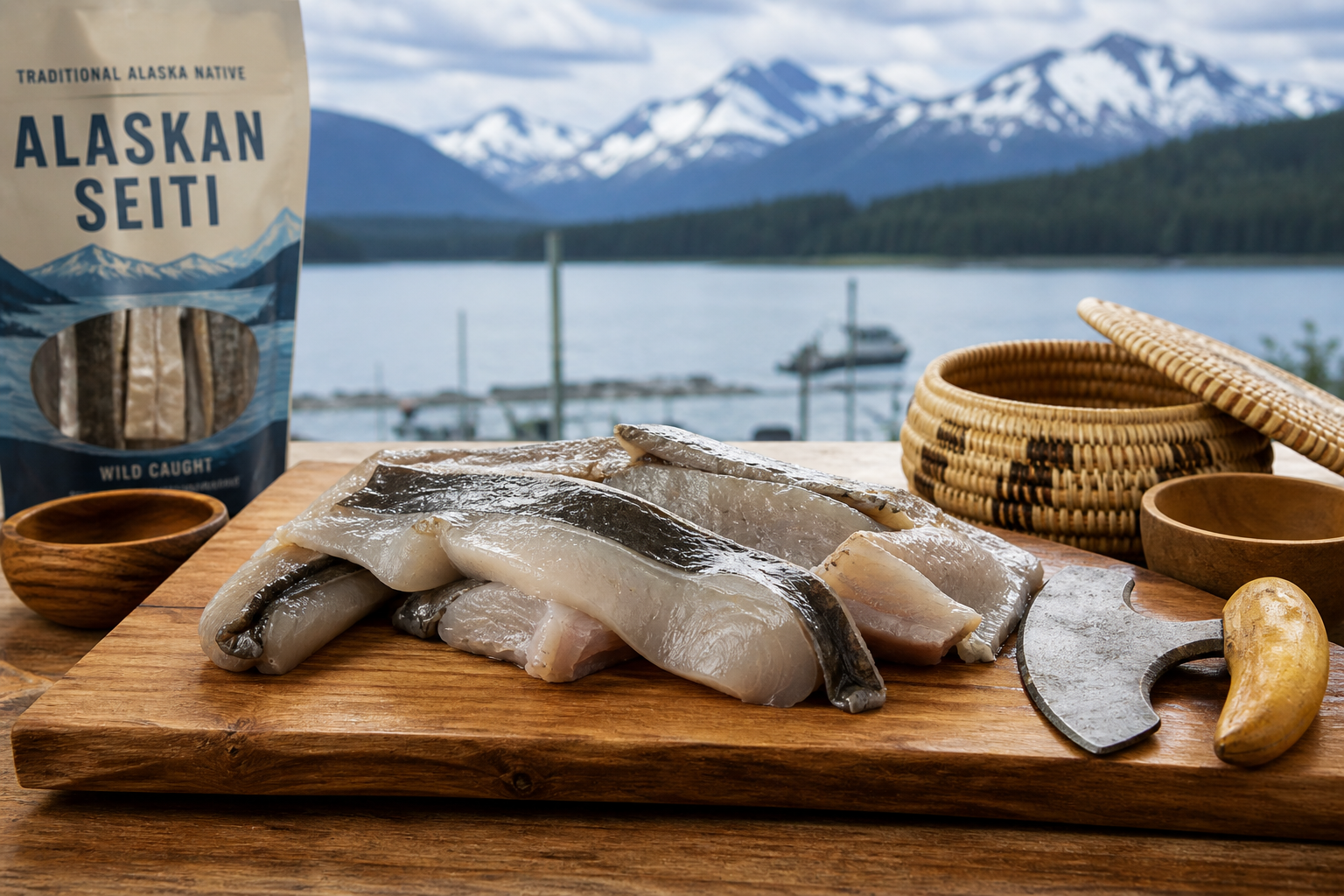
Alaska’s rich culinary heritage includes numerous traditional foods that indigenous communities have prepared and enjoyed for generations. Among these unique delicacies, alaskan seiti holds a special place in the cultural and nutritional landscape of Native Alaskan communities. This comprehensive guide explores everything you need to know about this traditional food, from its cultural significance to preparation methods and where you can experience it in the USA, UK, and Canada.
Alaskan seiti represents a traditional Native delicacy that has sustained indigenous communities throughout Alaska’s harsh climates for centuries. This food source comes from marine mammals, specifically referring to rendered fat or blubber that provides essential calories and nutrients in environments where plant-based foods are scarce during long winter months. The preparation and consumption of seiti connects directly to survival practices developed over thousands of years by Alaska’s first peoples.
The cultural significance of alaskan seiti extends far beyond simple nutrition. For many Native communities including the Inupiat, Yup’ik, and coastal Aleut peoples, this traditional food embodies ancestral knowledge, cultural identity, and connection to the land and sea. Elders pass down preparation techniques through generations, ensuring that younger community members understand both the practical skills and cultural values associated with traditional food harvesting and preparation.
Understanding alaskan seiti requires recognizing its role in subsistence lifestyles that continue today. Many rural Alaska communities still rely on traditional foods as primary nutrition sources, making these practices living cultural traditions rather than historical artifacts. The knowledge surrounding harvest timing, proper preparation, safe storage, and respectful use of every part of harvested animals represents sophisticated ecological understanding developed through millennia of observation and adaptation.
From a nutritional standpoint, alaskan seiti provides concentrated energy that proved essential for survival in Arctic and sub-Arctic environments. The high fat content delivers calories necessary for maintaining body temperature and energy levels during physically demanding activities like hunting, fishing, and traveling across frozen landscapes. Traditional diets incorporating seiti alongside fish, game meat, and seasonal vegetation provided complete nutrition adapted to Alaska’s unique environment.
Modern nutritional analysis reveals that traditional foods like alaskan seiti contain beneficial omega-3 fatty acids, fat-soluble vitamins including A, D, E, and K, and other micronutrients that support health in cold climates. These nutrients contribute to cardiovascular health, immune function, and mental well-being. Research increasingly recognizes that indigenous diets developed over generations often provide optimal nutrition for populations living in specific environments.
The nutritional wisdom embedded in traditional foods challenges contemporary assumptions about healthy eating. While modern dietary guidelines often emphasize low-fat foods, populations thriving on traditional high-fat diets like those including alaskan seiti historically showed low rates of heart disease and metabolic disorders. This apparent paradox has prompted scientific investigation into how food quality, preparation methods, and overall dietary patterns contribute to health outcomes beyond simple macronutrient ratios.
Preparing alaskan seiti follows time-honored techniques that maximize nutrition while ensuring food safety and palatability. Traditional methods begin with careful harvesting from marine mammals taken during legal subsistence hunts conducted according to federal and state regulations protecting both animal populations and indigenous rights. Hunters observe traditional practices that honor the animals and use every part respectfully, wasting nothing.
The rendering process transforms blubber into usable seiti through slow cooking that melts fat while separating it from connective tissue. Experienced preparers control temperature carefully, using traditional knowledge about when the fat reaches optimal consistency. Some communities prepare seiti in large batches during harvest seasons, creating stores that last through winter when hunting becomes more difficult. Storage methods developed before modern refrigeration, including freezing in permafrost or preserving in seal pokes, demonstrate sophisticated food preservation understanding.
Different communities have distinct preparation styles that reflect local traditions, available resources, and cultural preferences. Some prepare alaskan seiti plain, allowing the natural flavor to come through, while others incorporate it into cooked dishes or use it as a dipping accompaniment for dried fish, meat, or other traditional foods. These variations create regional culinary identities within Alaska’s diverse Native cultures, with each community taking pride in their particular methods and recipes.
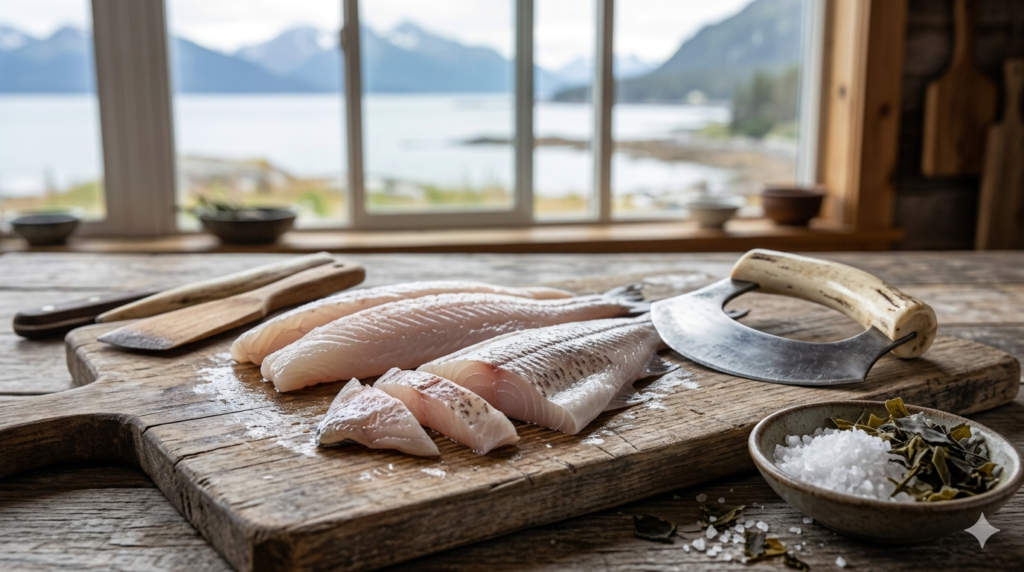
For those interested in experiencing alaskan seiti firsthand, opportunities exist primarily within Alaska itself, though understanding cultural context and protocols remains essential. Many rural communities maintain strong subsistence traditions where seiti continues as regular dietary staple. However, visitors should recognize that traditional foods often hold cultural significance that requires respectful approach rather than treating them as exotic curiosities.
Cultural centers and heritage sites across Alaska occasionally offer educational programs where visitors can learn about traditional foods including alaskan seiti. These programs typically emphasize cultural context, preparation methods, and the ongoing importance of subsistence practices to Alaska Native communities. Participating in such programs provides appropriate introduction to traditional foods while supporting cultural preservation efforts and respecting community boundaries around sacred or private practices.
Some Alaska Native-owned restaurants and food businesses in Anchorage, Fairbanks, and other urban centers occasionally feature traditional foods on menus or during special events. These establishments provide accessible opportunities for people in the USA, UK, and Canada to taste traditional preparations while supporting Native entrepreneurs who work to maintain and share their food heritage. Calling ahead or checking event schedules helps identify when traditional foods might be available.
Understanding the legal framework surrounding alaskan seiti proves important for anyone interested in traditional Alaska Native foods. Federal and Alaska state laws protect the rights of Alaska Natives to continue subsistence practices including hunting marine mammals for traditional foods. These regulations recognize the cultural importance and nutritional necessity of traditional harvesting while also ensuring sustainable wildlife populations through quotas, seasonal restrictions, and other management practices.
The Marine Mammal Protection Act and related legislation create specific provisions for Alaska Native subsistence hunting that don’t apply to non-Native populations. This legal distinction acknowledges historical rights, treaty obligations, and the ongoing cultural importance of subsistence practices. Respecting these legal frameworks means understanding that traditional foods like alaskan seiti aren’t simply commercial products but rather elements of protected cultural practices with specific legal status.
Ethical considerations extend beyond legal compliance to cultural respect and sensitivity. Traditional foods hold deep meaning within Alaska Native communities, representing connections to ancestors, land, sea, and cultural identity. Approaching alaskan seiti and other traditional foods with genuine interest in cultural understanding rather than superficial curiosity demonstrates respect for living cultures and ongoing traditions. Supporting Native-led cultural education and food sovereignty initiatives aligns with ethical engagement with traditional food systems.
Scientific research increasingly validates the health benefits of traditional food systems that include items like alaskan seiti. Studies examining health outcomes among Alaska Native populations show that maintaining traditional diets correlates with better metabolic health markers compared to Western processed food diets. The nutrient density of traditional foods provides vitamins, minerals, and beneficial fats in bioavailable forms that support overall wellness.
The omega-3 fatty acids found in marine mammal fats like alaskan seiti have received particular attention from nutritional researchers. These essential fats support brain health, reduce inflammation, promote cardiovascular function, and contribute to mental health. Traditional diets rich in marine-based omega-3s provided these benefits long before modern supplementation, demonstrating the nutritional wisdom embedded in cultural food practices.
Research also explores how traditional food knowledge contributes to food security and resilience, particularly relevant as climate change affects Alaska. Communities maintaining traditional food skills possess diverse food sources and preparation knowledge that provides a buffer against supply chain disruptions affecting imported foods. This resilience aspect of traditional food systems, including preparation of alaskan seiti, offers valuable lessons for sustainable food systems more broadly.
Modern Alaska Native chefs and food advocates work to revitalize traditional foods while adapting them for contemporary contexts. This movement, sometimes called indigenous food sovereignty, emphasizes reclaiming traditional food systems as acts of cultural preservation and health promotion. Alaskan seiti and other traditional preparations appear in innovative dishes that honor ancestral recipes while exploring new culinary possibilities.
Cultural events like potlatches, community gatherings, and indigenous food festivals provide important settings where traditional foods including alaskan seiti continue thriving. These gatherings serve multiple purposes beyond simple meals, strengthening community bonds, passing knowledge to younger generations, and celebrating cultural identity. Food serves as a centerpiece for these social and cultural functions, with traditional preparations carrying meanings that extend far beyond nutrition alone.
Youth programs in Alaska Native communities increasingly incorporate traditional food knowledge, teaching younger generations harvesting, preparation, and cultural protocols surrounding foods like alaskan seiti. These educational initiatives combat cultural loss while promoting health through traditional diets. Elders work with youth to ensure that centuries of accumulated knowledge continues forward, adapting where necessary while maintaining core cultural values and practices.
Traditional fat-based foods appear across many indigenous cultures worldwide, each adapted to local environments and available resources. Comparing Alaskan seiti to similar preparations from other regions reveals both universal human adaptations to challenging environments and unique cultural expressions. Canadian Inuit communities prepare similar foods from marine mammals, sharing cultural connections with Alaska Native groups while maintaining distinct traditions.
In Scandinavia, Sami peoples traditionally prepared reindeer fat in ways functionally similar to alaskan seiti, providing concentrated nutrition for Arctic living. These parallels demonstrate how human cultures independently developed comparable solutions to similar environmental challenges. Studying these traditional food systems collectively reveals sophisticated understanding of nutrition, preservation, and sustainable resource use that modern food systems often overlook.
The unique characteristics of Alaskan seiti relate to specific marine mammals available in Alaska waters, local preparation traditions, and cultural practices of particular Alaska Native groups. While sharing functional similarities with other traditional fat preparations, the specific cultural context, harvest practices, and community meanings make Alaskan seiti distinctly Alaskan. This specificity emphasizes the importance of understanding traditional foods within their particular cultural and ecological contexts rather than generalizing across indigenous cultures.
Cultural preservation efforts around Alaskan seiti and other traditional foods face both challenges and opportunities in contemporary Alaska. Younger generations increasingly grow up in urban settings with less direct connection to subsistence practices, creating potential knowledge gaps. However, growing interest in cultural heritage, health benefits of traditional diets, and indigenous food sovereignty motivates many young Alaska Natives to learn ancestral food practices.
Documentation projects recording traditional food knowledge serve important preservation functions while raising questions about appropriate knowledge sharing. Some communities embrace sharing traditional food information broadly as educational outreach, while others maintain that certain knowledge should remain within communities or families. Respecting these different approaches to knowledge preservation requires sensitivity to community preferences and recognition that indigenous peoples retain authority over their own cultural information.
Technology offers new tools for preserving and sharing traditional food knowledge in culturally appropriate ways. Videos, digital archives, and online platforms allow elders to document preparation techniques, stories, and cultural context around foods like alaskan seiti for community members and approved audiences. These resources supplement direct hands-on learning that remains the preferred transmission method while creating backups ensuring knowledge survives even if direct transmission chains face interruption.
Alaskan seiti is traditionally rendered fat or blubber from marine mammals, prepared according to Alaska Native cultural practices passed down through generations. It comes from subsistence hunting conducted legally by Alaska Native communities, primarily from seals and other marine mammals harvested in coastal Alaska waters. The preparation process involves rendering the blubber to create usable fat that provides essential nutrition in traditional diets.
Non-Native individuals cannot legally hunt marine mammals for seiti due to federal protections reserving subsistence hunting rights for Alaska Natives. However, experiencing alaskan seiti through cultural programs, Native-owned restaurants, or educational events where it’s shared is possible and appropriate when done respectfully. These settings provide cultural context while supporting Alaska Native communities and honoring traditional food practices.
Alaskan seiti provides concentrated calories, omega-3 fatty acids, and fat-soluble vitamins essential for health, particularly in cold climates. Research shows traditional diets including these foods correlate with better metabolic health, cardiovascular function, and mental well-being compared to processed Western diets. The nutrient density and bioavailability of vitamins and minerals in traditional preparations offer health advantages that modern nutrition science increasingly recognizes.
Traditional consumption methods vary among Alaska Native communities but often include eating alaskan seiti plain, using it as a dip for dried fish or meat, or incorporating it into cooked dishes. Some preparations combine seiti with berries or other foods in traditional recipes. The eating context often involves community gatherings, family meals, or special occasions where traditional foods carry cultural significance beyond simple nutrition.
The availability of marine mammals for traditional harvesting faces potential threats from climate change affecting Arctic ecosystems, though sustainable management currently maintains populations. More immediate concerns include ensuring younger generations maintain traditional knowledge for harvesting and preparing foods like alaskan seiti. Cultural preservation efforts work to protect both the ecological resources and the traditional knowledge systems that sustain Alaska Native food sovereignty.
Alaskan seiti represents far more than a traditional food item. It embodies centuries of cultural knowledge, ecological adaptation, and community resilience among Alaska Native peoples. Understanding this traditional delicacy requires appreciating its cultural context, nutritional wisdom, and ongoing importance to living communities rather than viewing it as historical curiosity. As research validates the health benefits of traditional foods and indigenous food sovereignty movements gain momentum, preparations like alaskan seiti demonstrate how ancestral knowledge offers valuable lessons for contemporary nutrition and sustainable food systems. Whether you’re in the USA, UK, or Canada, approaching traditional Alaska Native foods with respect, cultural sensitivity, and genuine interest in learning supports preservation of irreplaceable cultural heritage while honoring the communities who maintain these practices. The future of Alaskan seiti depends on continued support for Alaska Native subsistence rights, cultural education, and intergenerational knowledge transmission ensuring these traditions remain vibrant for generations to come.