
 By Olivia Wilson Media Team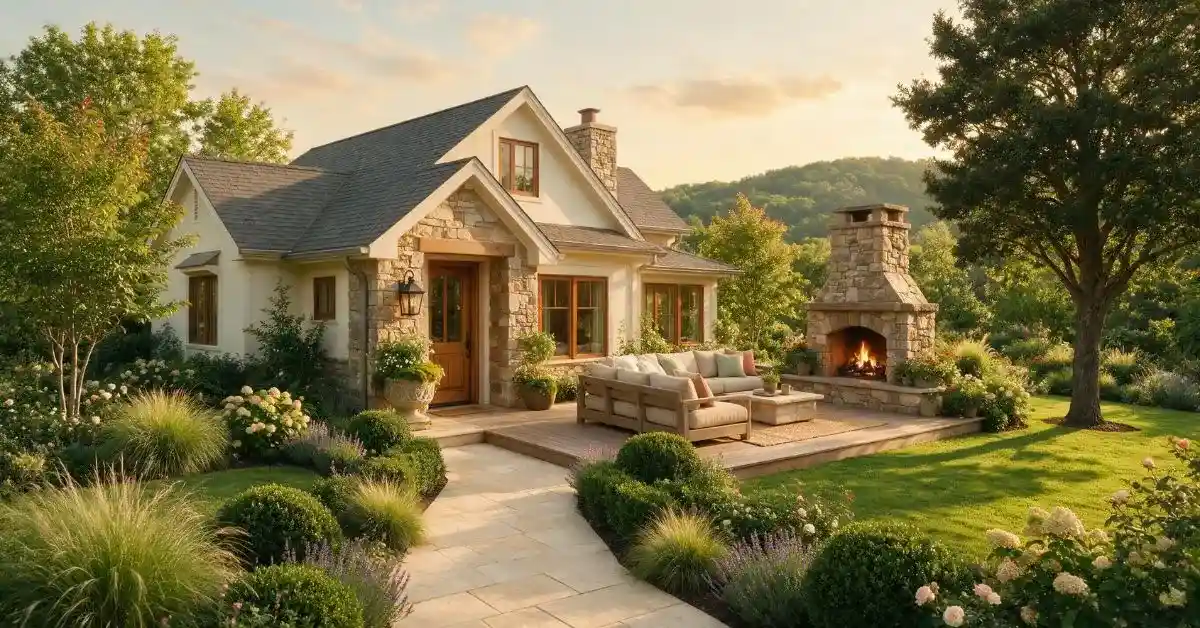
Most homeowners spend the majority of their improvement energy inside the house. The kitchen gets updated. The living room gets new furniture. The bedrooms get fresh paint. And then the outside of the house stays exactly the same as it was when they moved in.
That imbalance matters more than most people realize. Your home’s exterior is the first thing every visitor, neighbor, and potential buyer sees. It sets an expectation before anyone steps through the door, and it affects how you feel about your home every single time you pull into the driveway.
The frustrating part is that exterior design feels overwhelming to most homeowners. Unlike interior decorating, it involves elements like siding, rooflines, landscaping, hardscaping, and lighting that seem expensive and complicated to change.
The exterior design DrHomey approach proves that assumption wrong. Meaningful exterior improvements are achievable at realistic budgets with clear priorities and a practical framework. In this guide, you will get a zone-by-zone breakdown of how to improve your home’s exterior, what changes deliver the most visible impact, and how to approach the whole project without feeling lost.
Exterior design in the DrHomey approach refers to the practical, homeowner-first method of improving a home’s outward appearance through strategic upgrades to siding, entryways, landscaping, lighting, and outdoor living spaces. This approach prioritizes high-impact, budget-conscious decisions that enhance curb appeal, increase property value, and create a welcoming exterior that reflects the homeowner’s personal style without requiring full architectural redesign.
Your home’s exterior deserves as much attention as the interior. The DrHomey approach breaks exterior design into manageable zones with clear, practical improvements that make a real difference to curb appeal and daily enjoyment.
Curb appeal is not just a real estate term. It is a genuine measure of how well your home presents itself to the world and how proud you feel coming home to it every day.
Research from the National Association of Realtors consistently shows that exterior improvements deliver some of the strongest returns on investment in home improvement. A well-maintained, attractively designed exterior can add between 5 and 10 percent to a home’s perceived value before anyone sees the inside.
But this is not only about resale value. A home exterior that looks neglected, dated, or mismatched affects your daily experience in ways that are easy to underestimate. The exterior design DrHomey philosophy treats the outside of your home as an extension of your living space, not just a protective shell, and applies the same intentional thinking to it that most people reserve for their interior rooms.
The front entry is the single highest-impact zone in exterior design. It is where visitors arrive, where the eye naturally focuses, and where relatively small changes produce the most visible results.
Start with the front door. A fresh coat of paint on the front door is consistently cited as one of the best returns on investment in exterior design. Bold, confident colors work exceptionally well on front doors because they create visual contrast against neutral siding. Deep navy, forest green, matte black, and rich red are all popular choices in American homes right now.
The color you choose should relate to the rest of your exterior palette without matching it exactly. A home with warm beige siding works beautifully with a deep burgundy or forest green door. A home with cool gray siding pairs well with a charcoal or navy door.
Replace or update the hardware. Door hardware, including the handle, knocker, house numbers, and mailbox, has an outsized effect on how finished and intentional an entryway looks. Consistent finishes across all metal elements create a cohesive look. Matte black, brushed nickel, and aged brass are all strong contemporary choices for American homes.
House numbers specifically are frequently neglected. Oversized, clearly readable house numbers in a modern font immediately make a home look more designed and considered, even if nothing else has changed.
Add lighting that works day and night. Entryway lighting serves both aesthetic and practical functions. Flanking the front door with two matching sconces at the right height creates symmetry and warmth. For homes with a single centered fixture, upgrading to a more substantial lantern style dramatically changes the evening curb appeal.
Solar pathway lights along a front walkway are an affordable addition that adds both safety and visual interest after dark without requiring any electrical work.
Frame the entry with plants. Two matching planters flanking the front door with seasonal plantings create an immediate sense of welcome and professional presentation. In warmer climates, this can be a year-round feature. In colder US regions, switching between seasonal plants keeps the entry looking intentional across all seasons.
Siding is the largest visual element of any home exterior. Its condition and color define the overall impression more than any other single factor.
Cleaning before replacing. Before assuming your siding needs replacement or repainting, pressure wash it thoroughly. Accumulated dirt, algae, and mildew can make siding look significantly worse than its actual condition warrants. A professional pressure wash, which typically costs $150 to $350 for a standard home in the US, sometimes produces dramatic results that delay or eliminate the need for more expensive work.
Paint versus reside. If your siding is in good structural condition but the color is dated or faded, repainting is a cost-effective option for wood and certain fiber cement sidings. A full exterior repaint typically costs $3,000 to $7,000 depending on home size and region, but it completely transforms the exterior without the cost of full residing.
Choosing an exterior color palette. Exterior color selection involves three elements working together: the main siding color, the trim color, and the accent color used on the door and shutters.
The most versatile approach for American homes is a neutral main color, a contrasting but complementary trim, and a bolder accent on the door. Warm whites, soft grays, and warm taupes are all strong main siding colors because they work across architectural styles and age gracefully.
Trim detail matters enormously. Fresh, clean trim in a contrasting color makes a home look significantly more finished and architectural. Even if the main siding is in decent condition, refreshing only the trim paint is a targeted improvement that produces visible results for a fraction of the cost of a full exterior repaint.
Landscaping is where many homeowners feel least confident, but the basics are more achievable than most people assume.
Define the edges. Clean, defined edges between lawn areas, garden beds, and hardscape elements like walkways and driveways immediately make a yard look more maintained and intentional. Edge definition costs almost nothing in time and effort but has a dramatic effect on how tidy and designed an exterior looks.
Invest in foundation plantings. Low shrubs and plants placed along the base of a home soften the transition between the structure and the ground. Without foundation plantings, homes look like they are simply sitting on the earth with no visual connection between the building and the landscape. Well-chosen, correctly sized shrubs give the home a grounded, established look.
Keep scale in mind. Plants that are the right size at purchase but will grow to obscure windows and doors within a few years are a common and expensive landscaping mistake. Choose plants that fit the mature size of the space, not the current planting size.
Add color strategically. Flowering plants and perennials add seasonal color and life to a front yard without significant ongoing cost once established. Planting in groups rather than individual scattered plants creates the visual impact that single specimens cannot achieve.
Maintain what you have before adding more. Dead or dying plants, overgrown shrubs, and untended beds always hurt curb appeal more than a simple, well-maintained lawn does. Before adding new landscaping elements, address what is already there. Removal and cleanup of neglected plantings often improves the exterior more than new additions would.
The driveway and front walkway are functional elements that also have significant visual impact on the overall exterior impression.
Clean and seal the driveway. A pressure-washed and freshly sealed asphalt or concrete driveway looks dramatically better than a stained, neglected one. Driveway sealing typically costs $100 to $300 for an average home and extends the driveway’s life while improving its appearance.
Define the front walkway. A clear, well-defined path from the driveway or street to the front door is both functional and aesthetic. If the current walkway is plain concrete, adding border edging, flanking plants, or stepping stone accents alongside the path improves the arrival experience significantly.
Consider material upgrades where budget allows. Replacing a plain concrete walkway with brick pavers, natural stone, or stamped concrete is one of the more significant exterior investments, but it adds genuine character and value to a home. The material choice should complement the home’s architectural style rather than contrast with it.
Outdoor living spaces including front porches, rear decks, and patios are extensions of your interior living area and deserve the same design attention.
Front porch furnishing. A front porch with appropriate furniture, whether a classic rocking chair pair, a small bistro set, or a porch swing, signals that the home is lived in and welcoming. Porch furniture does not need to be expensive, but it should be weather-resistant and proportionate to the porch size.
Rear deck and patio design. Exterior design DrHomey principles apply equally to rear outdoor living spaces. Defined zones, appropriate furniture groupings, outdoor lighting, and container plants transform a plain deck or patio into a genuine outdoor room that extends the home’s usable living space.
Outdoor lighting for atmosphere. String lights over a rear patio or deck area are one of the most affordable and most transformative outdoor improvements available. They extend the hours the space can be comfortably used and create an atmosphere that no daytime feature can replicate.
| Exterior Improvement | Estimated Cost | Visual Impact | Priority Level |
|---|---|---|---|
| Front door repaint | $30 – $80 DIY | Very High | Start here |
| Updated door hardware | $50 – $150 | High | Early priority |
| Entry lighting upgrade | $60 – $200 | High | Early priority |
| Pressure wash exterior | $150 – $350 | Very High | Before anything else |
| Fresh trim paint | $200 – $500 DIY | High | High value |
| Foundation plantings | $100 – $400 | High | Medium priority |
| Full exterior repaint | $3,000 – $7,000 | Very High | Major investment |
| Driveway seal and clean | $100 – $300 | Medium-High | Maintenance priority |
| Front planters with plants | $40 – $120 | High | Easy win |
| Outdoor string lighting | $30 – $80 | High | Low cost, high return |
The exterior design DrHomey framework works best when approached in a logical sequence that maximizes visible improvement for each dollar and hour spent.
Start with cleaning and maintenance. Pressure washing the entire exterior, cleaning windows, clearing gutters, and removing dead plants costs relatively little and reveals the true condition of everything beneath the accumulated neglect. Many homeowners discover their exterior is in better condition than they thought after a thorough clean.
Address the front entry next. The entry zone delivers the highest visible return for the lowest investment. A repainted door, updated hardware, new house numbers, and two well-planted containers can be done for under $300 and transforms the first impression completely.
Then address siding and trim condition. Paint or repair before moving to landscaping, because landscaping changes are harder to appreciate against a tired or dingy exterior backdrop.
Add landscaping and hardscape improvements last. Once the structure itself looks its best, landscape additions and walkway improvements frame and complement those improvements rather than competing with them visually.
DrHomey focuses on affordable curb appeal through cleaning, entryway upgrades, landscaping, and simple exterior improvements.
Painting the front door is one of the highest-ROI upgrades. Updating hardware and house numbers also makes a big impact.
Match colors with your home’s style, fixed materials like brick or stone, and test paint samples in natural light.
Basic upgrades cost around $200–$400, mid-range projects $500–$1,500, while major renovations can exceed $3,000.
Yes. Pressure washing, painting the front door, updating hardware, adding plants, and cleaning gutters can greatly improve curb appeal for under $400.